By Genevieve Glass
Originally published by SpectrumNews1
Millions of Americans live with diabetes, and for many, lifesaving technology is what keeps their blood sugar stable and their daily routines on track. But proposed federal cuts could put that technology out of reach for thousands of Medi-Cal patients, like Georgia Guzman, 64, who starts each morning with a workout. It’s just one part of how she manages Type 1 diabetes.
What isn’t visible from first glance is the technology keeping her safe: a continuous glucose monitor and an insulin pump. “It really helps me because I’ve had really bad lows in the middle of the night,” she said.
Guzman, a personal trainer, only gained access to the system — which functions like an artificial pancreas — last year through Venice Family Clinic and Medi-Cal. Before then, even with strict eating habits and manual injections, her blood sugar swung sometimes, caused by seizures during training sessions.
She fears losing coverage and being forced back to finger pricks and syringes. “That’s going to be really scary if I don’t get this anymore,” Guzman said. “I don’t want to go back to that. It was a nightmare.”
Without insurance, these systems can cost thousands of dollars per year. Potential federal cuts to Medi-Cal coverage have patients like Guzman worried they could lose the tools that finally stabilized their health.
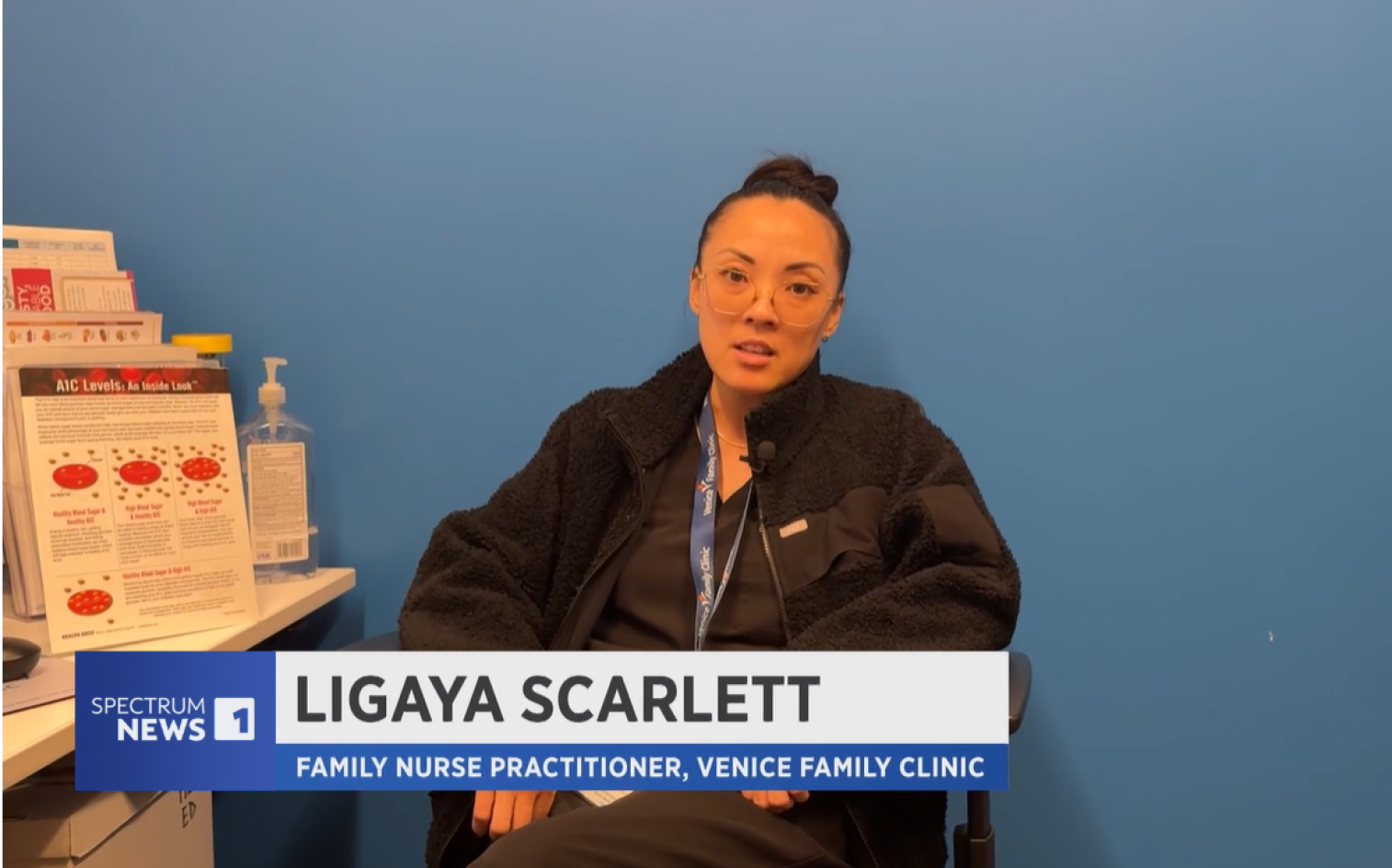
At Venice Family Clinic, nurse practitioner Ligaya Scarlett says the equipment is essential for many of the clinic’s nearly 6,000 diabetes patients.
“Diabetes technology has been game-changing for our patients,” she said. “It’s taken away a lot of guesswork and improved quality of life. Having those things on the cutting block is a huge fear for our patients and a huge concern for health care providers.”
November is National Diabetes Awareness Month. The CDC estimates 38.4 million Americans have diabetes, with 1.2 million new diagnoses each year. Scarlett says a simple test can help catch problems early.
“In diabetes, if you have too much sugar sticking to the red blood cell, that can cause complications,” she said. “We measure this with the A1 test. If you’re at higher risk, check with your provider. There are even free online screenings.”
For Guzman, the technology has given her a sense of freedom, something she says she cannot afford to lose. “This is something that we were born with… we have to live with it,” she said. “I’d like to live through it in the best way I can, and this is it.”
She says she’ll continue speaking out so others don’t face the same struggles.