
Venice Family Clinic
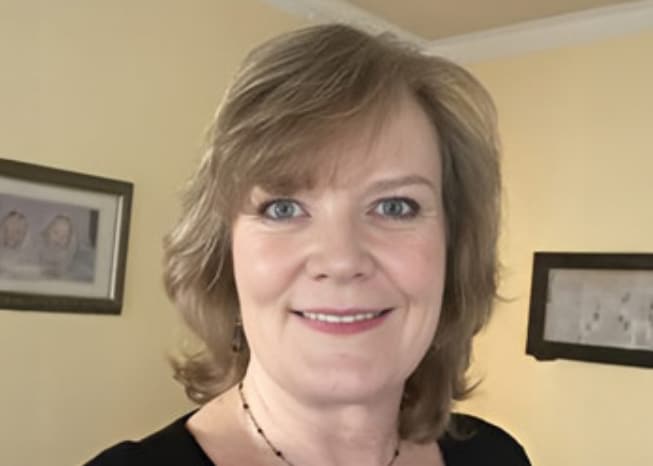
Iliniza (Nisa) Baty, Director of Behavioral Health Department
by Healthcare Tech Outlook
July 23, 2026
Iliniza (Nisa) Baty
Integrated Care Champion
Iliniza (Nisa) Baty, LCSW is the director of the Behavioral Health department at Venice Family Clinic, a nonprofit community health center that provides care to 45,000 people across the greater Los Angeles area.
As Director, Nisa is responsible for providing leadership, administrative direction and clinical supervision to the behavioral health team and works at the patient, staff, and system levels to ensure the organization provides high-quality therapeutic interventions that support improvements in patient functioning, mental health and well-being.
Nisa is a Licensed Clinical Social Worker and is also certified in both Family Therapy and EMDR. Her specialties include trauma recovery, PTSD, mood disorders, postpartum depression, adoption, parenting issues and couples ’therapy. Activism and social justice are key components of her personal and professional life.
My philosophy of patient-centered care began at an early age. I was born in the U.S. and spent a portion of my childhood living in a small, indigenous community in Mexico, where I was immersed in cultural and linguistic learning. My father, a professor of anthropology and archaeology, grew up in Lebanon, and my mother (an eternal optimist like me) volunteered for the Peace Corps in Ecuador. My parents’ commitment to cross-cultural understanding, equity and social justice shaped both their daily lives and my upbringing. When we returned to the United States, I was in first grade, spoke only Spanish and had to relearn English. While still young, my mom took me to see Angela Davis speak. It was my first real exposure to the inequalities people face in America – including in health care. I always looked for ways to support equity: from volunteering for Habitat for Humanity to helping my classmates construct an on campus “shantytown” to encourage Occidental College to divest from South African investments that supported apartheid.
“Technology is an effective bridge but never substitutes for connection.”
My work answering a mental health crisis line in Seattle turned that commitment into a career. I heard from people in distress daily, and transferring their calls didn’t feel like enough. So, I returned to school, earned my MSW degree, cut my teeth working in a variety of clinical settings and ultimately found my home at Venice Family Clinic, where I serve as director of behavioral health.
Venice Family Clinic, a federally qualified nonprofit community health center caring for 45,000 people across greater Los Angeles regardless of ability to pay or personal circumstance, is a home where I find an alignment of clinic values with my passion for interconnectedness, activism and social justice. The people we serve, 87% of whom live below the federal poverty line, face challenges many of us can’t imagine. More than a third of our patients are food insecure and roughly one in nine experiences homelessness.
We’ve created a safe place where people can get the support they need: primary care, mental health services, dental and vision care, substance use treatment, healthy food distributions, domestic violence counseling, HIV services, health education, insurance enrollment, child development services and more.
Protecting Access Means Protecting Communities
Federal funding cuts, Medi-Cal changes and rising costs threaten care for roughly one in six Californians who depend on community health centers like Venice Family Clinic. Providers and organizations, and more importantly, the communities we serve, have rarely faced more pressing challenges. These pressures take a human toll, too. It’s hard to provide care when so much around you feels uncertain, and our providers carry the added weight of their patients’ struggles every day.
Our clinic has been operating for more than 50 years, and countless people in need rely on us. We’ll always care for people who seek our services, but we need support from our community to ensure our doors – and the doors of other federally qualified health centers – remain open.
Meeting People Where They Are
At Venice Family Clinic, clinical excellence is inseparable from improving access for underserved communities. We operate a network of clinic locations across Los Angeles that are open to all. We also meet patients experiencing homelessness where they are, in shelters, at transitional housing and on the streets, through our four mobile clinics and robust street medicine program.
We build our programs around the needs we see in the communities we serve, including perinatal and early childhood (0–3) wellness; domestic violence counseling; safe spaces for LGBTQ+ people, all with a culturally humble, multilingual lens. Identifying and meeting community needs led to our 2021 merger with South Bay Family Health Care that extended our services into Inglewood and the South Bay – bringing specialized services directly to communities where the need is greatest.
Within our behavioral health department, we offer a full suite of compassionate and sensitive mental health services, from individual and family therapy to substance use counseling to group sessions and specialized care. Every day, we work with our multidisciplinary teams to provide patients living with complex trauma, mental health challenges and/or substance use disorders with tailored treatment they otherwise couldn’t access or afford.
One patient with a co-occurring substance use disorder recently told me, “I guarantee you I would not be alive today if it weren’t for the support of Venice Family Clinic.” I am so proud of the work our team does.
Technology Should Strengthen Human Connection
Technology is an effective bridge but never substitutes for connection.
During the COVID-19 pandemic, our team worked creatively to provide effective mental health care through telehealth. These solutions continue to help patients who are currently facing local immigration fears and reduce barriers for people balancing work, transportation and childcare. Looking ahead, the innovations I’m most excited about are the ones that will augment our care and better connect us with our patients, enhancing opportunities for connection instead of replacing human interaction.
The Best Care Starts with Caring for Yourself
First, listen to your patients. People telling their own stories in their own words is where their healing begins. Our job is to create a safe space and establish trust, so people share their experiences.
Second, practice what you preach. A healthy work-life balance is vital to providing quality care. I silence my phone during evening yoga and I hike on weekends. I encourage my staff to hold boundaries and protect their own selfcare time. You cannot draw water for others from an empty well.
Finally: drink water and get sleep and sunshine!